Marketing in 3: one peer-reviewed marketing study a week, explained in plain English with what to do about it. Published research on advertising, social media, AI and consumer behaviour.
New research from the leading marketing journals, translated for practitioners: what each study found, how to use it in your strategy, and what results to expect.
People who read bad reviews before listening paid $17.29 to see a show, against $20.45 for people who read none. The review changes the experience, not just the purchase.
In the Ferragni and Balocco case, 96% of journalists' tweets were about the influencer. Consumers followed the press, and the brand barely got mentioned.
Posts carrying TikTok's AI label collected 7% to 8% fewer likes at the same reach. Not because people distrust AI. Because the label says the creator did not try.
Facebook reported a return of 7.47 on retargeting. A field experiment across 210 markets found the retargeting budget could be cut to zero without losing a single order.
Thumbnails with a middling amount going on won the clicks at 5.48 out of 7. Middling colour harmony lost them at 3.41. Two dials, pulling opposite ways.
Viewers who worked out the actor was AI rated the ad 2.83 against 4.59. Being told afterwards hurt far less, and priming people made them twice as likely to notice.
Handing customers a ready-made post lifted sharing from 0.4% to 2.1% in a real gym campaign, and quietly stopped unhappy customers posting at all. How to use it, and where it gets uncomfortable.
A noticeable drop in reputation made Reddit users 8.5 points more likely to post the next day and softened their strongest opinions. What that means for ratings, scores and community design.
A plain "this ad is deepfaked" label changed nothing. Adding one sentence about what that means cut perceived truthfulness from 3.33 to 2.41, without costing a single sale.
Shooters are the favourite of 36% of console players and 17% of phone players; strategy games 35% on laptops and 4% on consoles. How to read the gaming channel, from 116,047 players.
Facing all-White staff, 50% of non-White customers chose a digital kiosk, against 36% with non-White staff. What it means for service design and AI options.
A "recommended for you" weight-loss refill lowered ratings of the pharmacy from 3.79 to 3.02 out of 7. When personalization embarrasses customers, and what to do.
Placing ads by both look and topic of the page lifted predicted attention by up to 10%; matching by category or text alone did not. Evidence from 3,531 ads.
People used AI search for 54% of advice searches but 6% of shopping searches, and clicked in 12% of AI searches vs 59% on Google. What it means for search ads.
After EU roaming fees ended, low-rated restaurants in Rome were twice as likely to close and high-rated ones sold 5.6% more. What reviews do to quality.
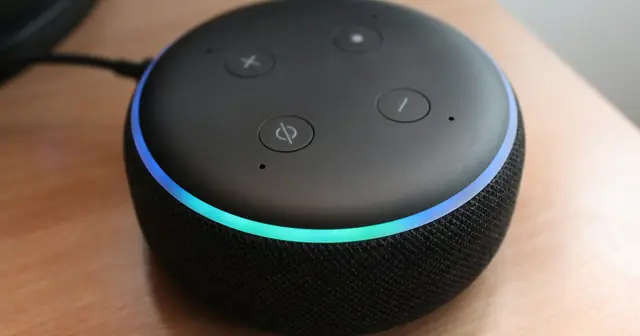
Half of 484 voice shoppers bought the first product Alexa offered. What that means for brands, retailers and any AI assistant that recommends one option at a time.
Weekend reviews carry fewer 5-star ratings and more 1–3 star ratings, across 33 platforms. Why it happens, and why you should ask for reviews on weekdays.
Carts with more indulgent items are abandoned more often. Recommending a practical add-on cut abandonment from 4.61 to 3.64 out of 7. Here is how to use it.
Influencers who post mostly ads or almost none get the most engagement; those at around 40–50% sponsored get the least. How to pick influencers by endorsement rate.
In a field test, a meme ad doubled click-through (1.40% against 0.65%) and raised ROAS from 1.14 to 1.52. Memes work only when mature and for mainstream products.
Replying to a 5-star review by downplaying the praise made 60.8% of people choose that business over one that repeated the compliment. Wording that works, and what to avoid.
Fine-tuned on top-rated ads, generative AI made ad images that beat conventional ads in pretests and lifted Meta click-through by 49%. How to apply it, and when it fails.